 Skip to content


Veterinarians are most often thought of in terms of their impact on individual animals, but the influence on animal welfare extends far beyond the exam room. Through expert testimony, legislative advocacy, and the policy positions of professional organizations, veterinarians help shape the legal and regulatory frameworks that govern animal welfare. Veterinarians carry this influence largely because the public trusts them to be the voice for animals. Understanding this influence and building partnerships with veterinarians to advance animal protection is essential, including for the humane treatment of animals.
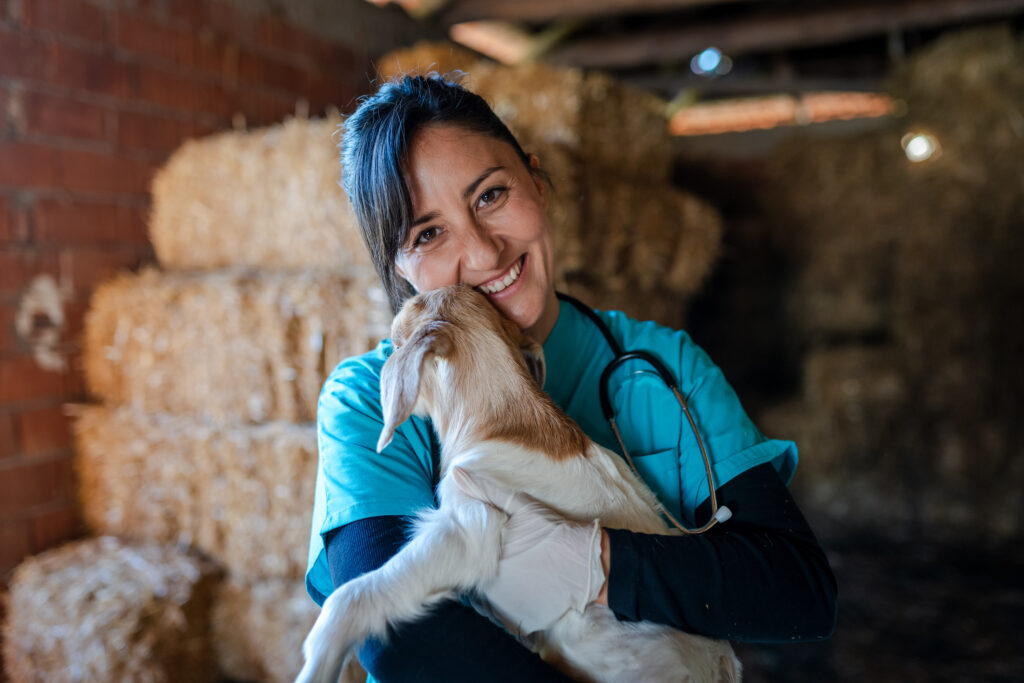
Veterinarians and the Courtroom
Veterinarians may play a vital role in the courtroom. From diagnosis and treatment to providing fact or expert testimony that can help a prosecutor secure a conviction, veterinarians can help achieve justice for animals who are victims of cruelty or neglect. A veterinarian’s evidence can bring the experiences of animal crime victims to life in the courtroom through expert testimony and victim impact statements.
Veterinarians and Animal Protection Policy
That same veterinary expertise can also influence legislation. Veterinarians’ firsthand experience helps them identify where legislation is needed or where laws are not working as intended. They can also provide guidance during drafting and can help shape policy decisions, directly impacting animal welfare laws.
Beyond individual veterinarians, veterinary professional organizations also carry enormous weight. The American Veterinary Medical Association (AVMA), for instance, sets guidelines or takes positions on policies and legislation that agencies and industries often rely on. Therefore, what veterinary professional bodies permit, or condemn, has real consequences for how animals are treated. However, institutional positions do not necessarily reflect the profession as a whole.
This gap, between the views of practicing veterinarians and the official stance of the institutions that represent them, is precisely where animal advocates and veterinarians should collaborate, working together to encourage influential bodies to align their positions with both practitioner consensus and to advance animal welfare.
The Veterinary Animal Law Course
Collaboration between lawyers and veterinarians is a central theme students explore in our course, Emerging Topics: Veterinary Animal Law, taught by Professor Megan Senatori. The course examines real-world examples of how the veterinary profession has shaped (positively or negatively), or could shape, animal law and policy. Additionally, the course weaves together concepts from both animal law and veterinary law, such as the history of the profession, the Veterinarian’s Oath, the practice of veterinary medicine, veterinary regulation, civil claims, veterinary ethics, and the policy positions veterinary organizations take in strategic animal protection litigation and on legislation.
Throughout the course, students consider how veterinarians and animal lawyers can find common ground. Veterinary medicine’s influence on animal welfare makes collaboration between the two fields not just useful, but essential for the future of animal law.
Veterinarian Advanced Degree Alumni
The vital role that veterinarians shape in influencing animal protection law and policy is evident in the work of Animal Law MSL alumni of the Lewis & Clark advanced degree program. Veterinarians like Dr. Alba Michelle Gonzalez and Dr. Emily Talkington are two of our accomplished veterinary alumni making a difference for animals. To learn more about the impact that veterinarians can make with an advanced degree in animal law, check out our prior webinar “How an Animal Law MSL Empowers Veterinarians to Shape Animal Law.”